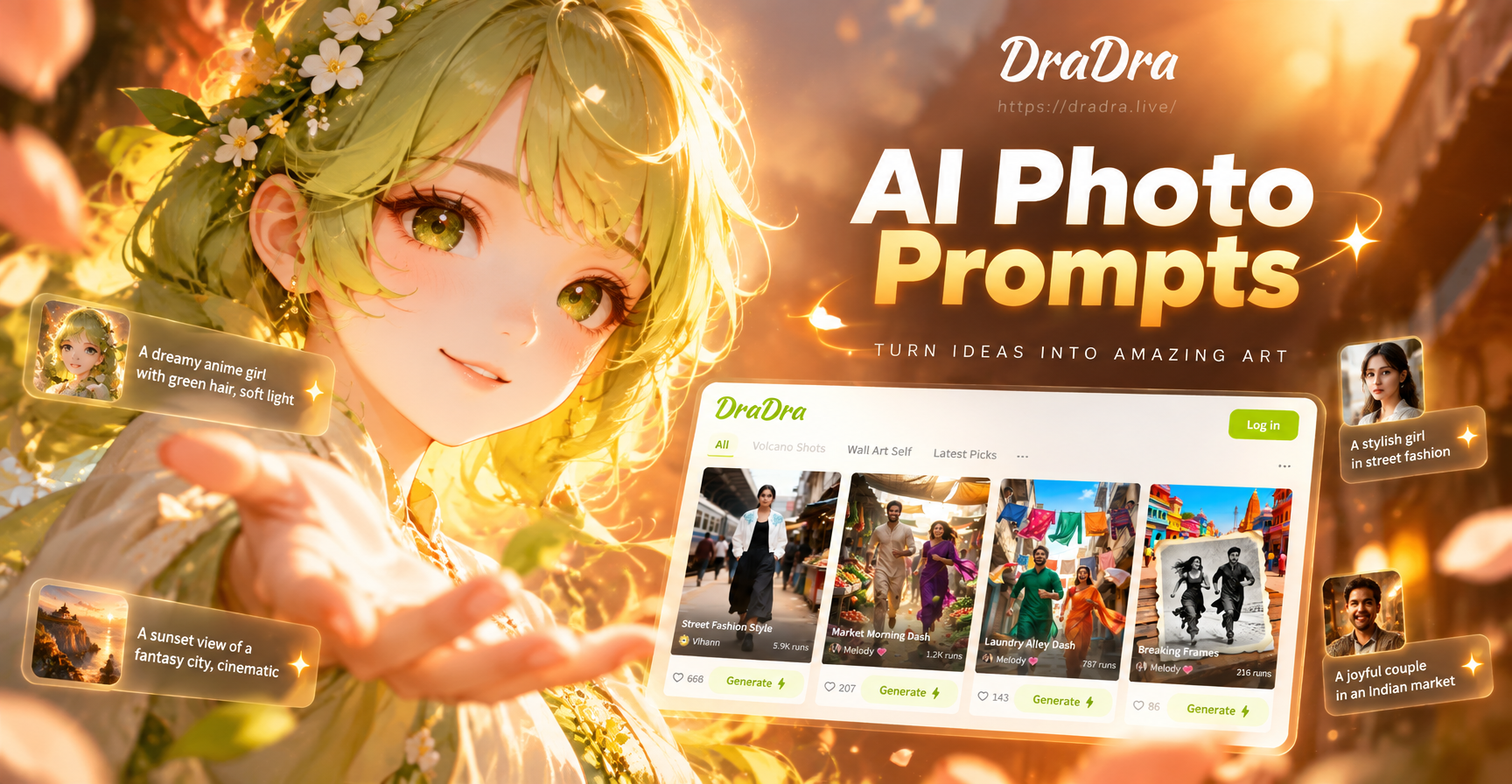
Seeing how a different dress or suit looks on you used to require a fitting room, several orders, or expensive software. Today, AI outfit transformation changes that. With the dradra app, you can upload a photo, describe a new clothing style, and receive a realistic preview in seconds. This guide explains how the process works, what you can create, and how to get the most natural looking results.
What Does AI Change Dress Clothes Mean?
AI dress changing is a form of image generation that replaces the clothing in a photograph while keeping the person, pose, and background mostly unchanged. The system reads your original image, identifies the outfit area, and generates a new garment based on your written description or selected style template. Unlike manual photo editing, this process does not require masking skills, layers, or design software. It is a fast way to preview outfits and create content without a wardrobe change.
How AI Virtual Try On Works
The technology combines two main steps. First, the model detects the person and maps the body shape, posture, and clothing region. Second, a generative engine redraws that region using the new style. The face and background stay stable in most cases, which makes the result feel like a real photo rather than a full replacement.
Person and Pose Recognition
Before the outfit change happens, the AI identifies where the person stands in the frame. It tracks the head, shoulders, torso, and arms so the new clothing follows the original body lines. A clear, well lit photo with the full upper body or full body visible improves this step significantly.
Clothing Style Transfer
After the person is mapped, the AI applies the new garment style. You can guide this with a text prompt that includes color, fit, fabric, length, and overall mood. The more visual detail you provide, the closer the result matches your vision. Built in style filters offer an alternative for users who prefer one tap creativity.
How to Change Dress Clothes in a Photo with dradra
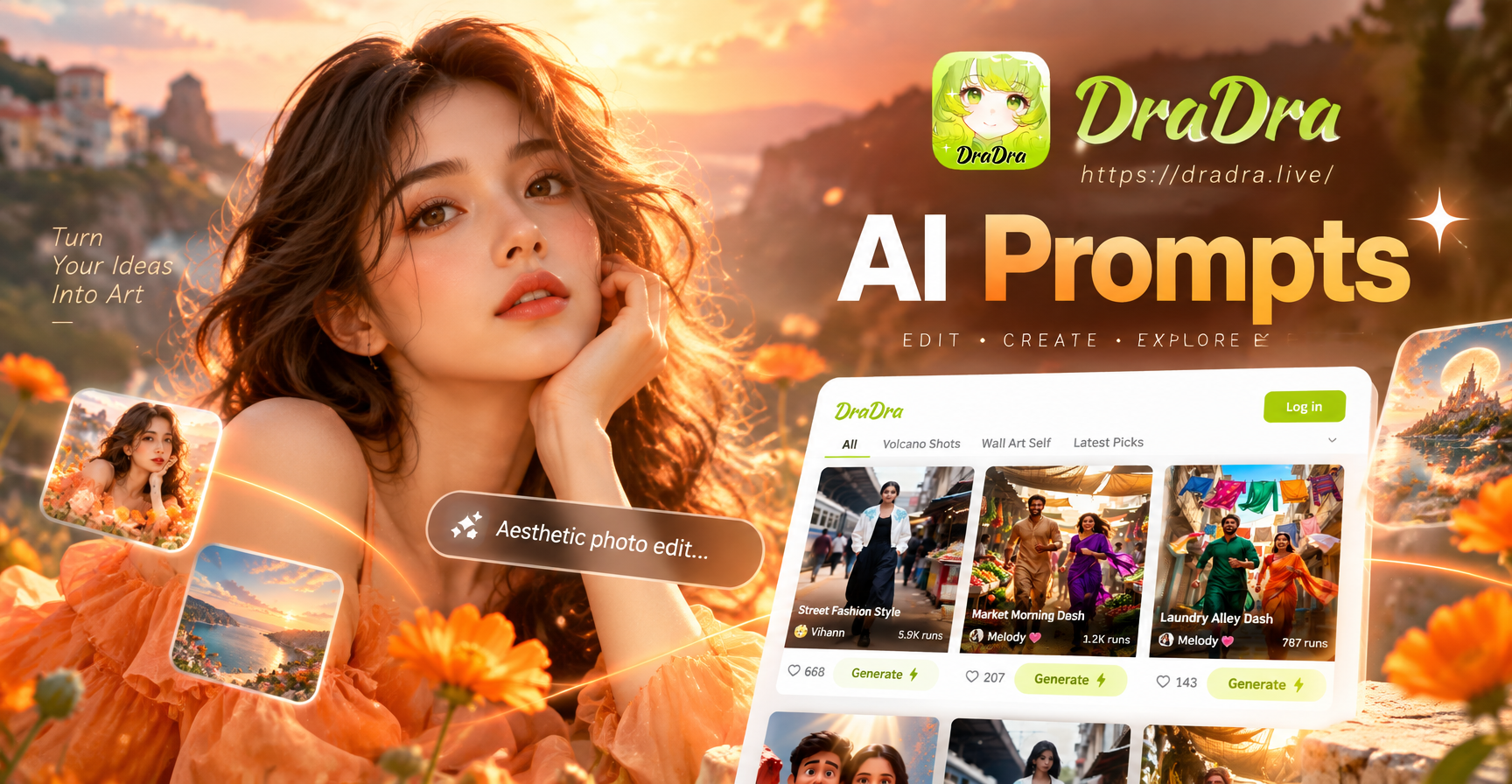
dradra is a mobile design app available on Google Play. The complete creative flow happens inside the app, so you do not need a desktop tool or prompt engineering background. Follow the four steps below to transform an outfit in a photo.
Step 1: Download the App
Install dradra from Google Play and open it on your phone. The app includes text to image, image to image, and image to video tools in one place.
Step 2: Upload a Clear Photo
Choose a photo where the person faces the camera and the clothing you want to change is fully visible. Full body or three quarter shots work best for dress changes. Avoid cropping the body at the waist if you want a complete outfit swap.
Step 3: Describe the New Outfit
Type a specific clothing prompt or select a style template from the library. For example, write 'a fitted burgundy evening dress with long sleeves' instead of a vague phrase like 'nice clothes'. You can include fabric, color, fit, and setting details.
Step 4: Generate and Save
Run the generation and review the preview. If the outfit looks off, adjust the wording and try again. Save the version you like in high resolution and share it directly from the app.
Who Can Benefit from AI Outfit Transformation
Online shoppers can preview a dress before buying, reducing returns. Content creators can produce multiple outfit looks from one photo. Event planners and stylists can test formal looks quickly. Even casual users can have fun exploring styles they would never normally wear. Because the tool works on a phone, it fits into everyday creative routines.
Style Categories to Explore
dradra supports many clothing styles and visual filters. You can experiment with classic fashion looks, modern streetwear, seasonal outfits, and cultural garments. Some useful directions include:
- Formal wear such as suits, blazers, and evening gowns
- Casual looks with denim, sweaters, and t-shirts
- Traditional outfits with cultural embroidery and patterns
- Seasonal styles for summer, winter, and holiday events
- Fantasy or costume inspired clothing for creative projects
10 AI Dress Change Prompts to Try
These prompts give you a practical starting point. Copy one, adjust the colors and details to match your taste, and run it in the dradra app.
A fitted navy blazer over a white button up shirt with dark trousers, studio lighting, professional look.
A flowing pastel pink summer dress with small floral details, golden hour outdoor setting.
A black leather jacket over a plain white t-shirt and ripped jeans, urban street style.
A traditional red and gold embroidered outfit with elegant draping, festive occasion.
A cozy oversized knit sweater in beige tones with soft indoor lighting.
A modern charcoal gray business suit with a minimal background, professional headshot.
A casual denim jacket over a striped top, bright daylight, relaxed walking pose.
An elegant emerald green evening gown with soft flowing fabric, formal event.
A sporty tracksuit with clean white sneakers and a simple studio background.
A vintage floral midi dress with a light cardigan, warm film photography style.
Tips for Realistic Results
Start with a High Quality Photo
Use a well lit image with the clothing clearly visible. Blurry, dark, or heavily filtered photos make it harder for the model to map the body and preserve facial details.
Be Specific About Fabric and Fit
Words like 'silk', 'wool', 'denim', 'fitted', 'oversized', 'long sleeve', or 'high neck' give the AI useful direction. Specific prompts produce closer matches than broad descriptions.
Keep the Background Simple
A plain background helps the model separate the person from the scene. Busy backgrounds can cause clothing colors and edges to blend with surrounding objects.
Generate Multiple Versions
Run the same prompt a few times. Small variations can produce noticeably better results. Pick the version that looks the most natural and saves well.
Common Mistakes to Avoid
- Using a photo where the body is cut off at the waist
- Writing a prompt that only says 'change clothes' without visual detail
- Expecting every result to change the pose, face, and background perfectly
- Uploading low resolution screenshots or images with heavy filters
AI Dress Changing vs Manual Photo Editing
For quick style previews and social media content, AI is much faster. Manual editing offers precise control over every pixel but requires skill and time. Most people use AI first to explore ideas, then decide whether professional refinement is needed. dradra fits the first purpose because it compresses the whole workflow into a few taps on a mobile screen.
Privacy and Photo Handling
When you upload personal photos to any generator, use an app you trust. dradra processes images inside the mobile app, which keeps the workflow simple. Avoid submitting sensitive, private, or identification heavy images. Treat your original photos with the same care you would on any creative platform.
Limitations to Keep in Mind
AI clothing generation works best with clear upper body or full body shots and descriptive prompts. It may struggle with extreme poses, heavy shadows, or very unusual garments. Results are generated previews, not physical product guarantees. Fabric texture and exact brand details may not match a real item perfectly. Use the output for inspiration, planning, or content, not as a substitute for checking fit in person.
Final Thoughts
AI has made outfit visualization simple and accessible. Instead of guessing how a dress or suit will look, you can see a realistic preview in seconds. The most important factors are a clear photo and a specific prompt. Start with the examples above, adjust the details to your taste, and experiment with different styles until you find a look you like.