What is the 1980s Photo Trend?
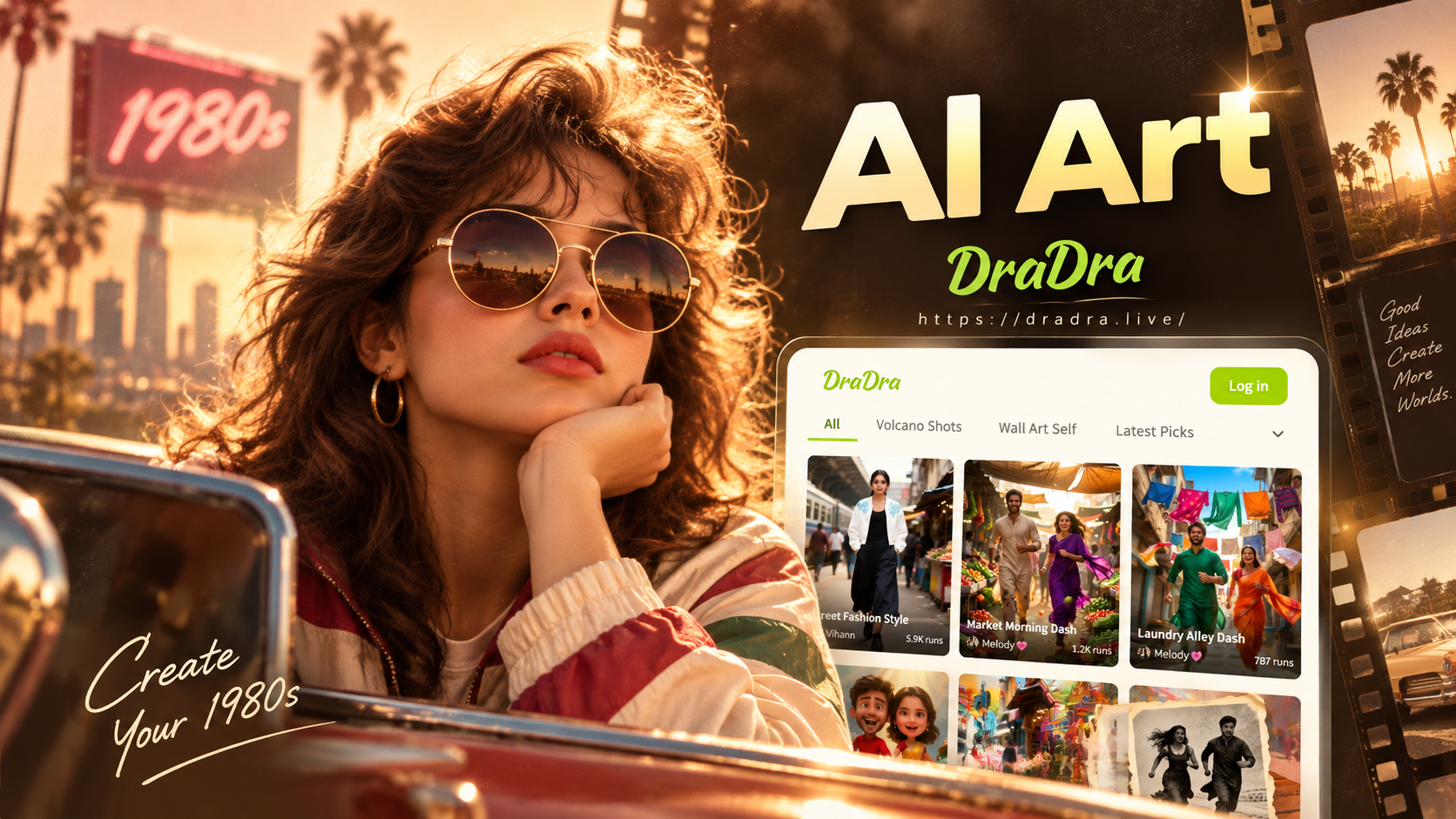
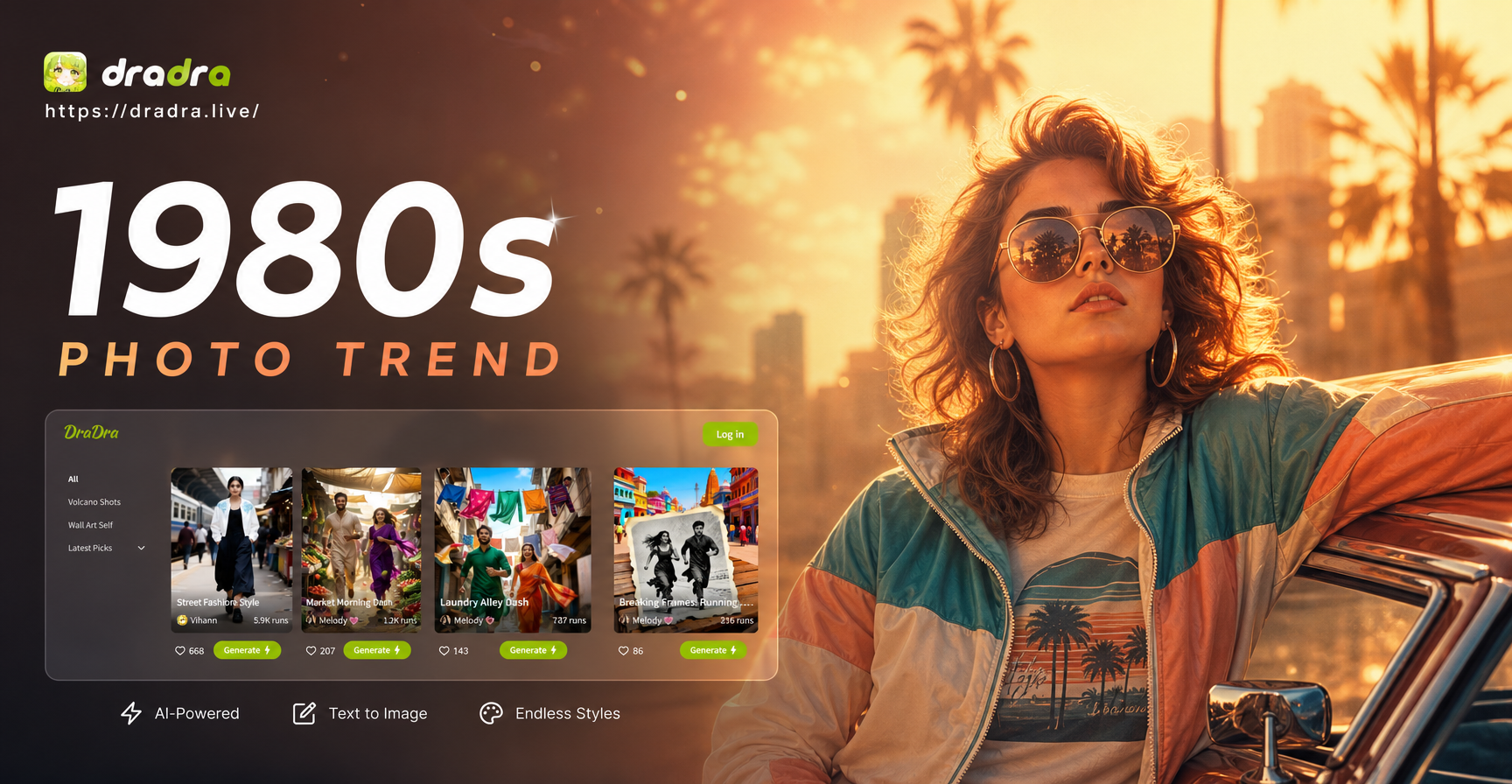
The 1980s photo trend is a contemporary digital art movement that meticulously recreates and reinterprets the visual language of the 1980s. It's more than just adding a sepia tone. This trend captures the essence of an era defined by bold consumerism, technological optimism, and distinct subcultures. It leverages the aesthetics of analog photography, early home video, and graphic design from the decade to evoke a powerful sense of nostalgia.
This style is characterized by its embrace of imperfection and a specific color palette. Think of the muted, slightly hazy look of a film photograph developed at a one-hour lab, the chromatic aberration and scan lines from a VHS tape, or the vibrant, sometimes garish, colors of a Trapper Keeper or a neon sign. The trend isn't about historical accuracy, but about curating a specific feeling a warm, fuzzy, sometimes ironically cool reminiscence for the textures of the past.
The Core Aesthetics of 80s Retro Photography
To authentically recreate the 1980s photo trend, you need to understand its foundational visual elements. These are the ingredients that, when combined, produce that unmistakable vintage vibe.
1. The Analog Color Palette
This is the most defining feature. Forget the crisp, true-to-life colors of modern digital sensors. The 80s palette is softer, warmer, and often skewed.
- Muted & Washed Out: Colors aren't overly saturated. Reds lean towards brick or coral, blues become cyan or teal, and greens take on a mossy, earthy hue. This comes from the limitations of film stock and printing processes.
- Neon Pops: Against the muted backdrop, neon colors like hot pink, electric blue, and lime green are used as bold accents, reminiscent of arcades, fashion, and nightlife.
- Film Stock Vibes: Emulating specific film looks is key. Think of the greens and magentas of Kodak Gold, the cool blues of Fujifilm, or the distinctive grain of high-speed ISO film.
2. Texture & Imperfection: Embracing the Grain
Perfection was not the goal. The tactile quality of the medium was part of the charm.
- Film Grain: A fine, organic texture overlaying the image. It adds depth and a physical, hands-on feel that clean digital images lack.
- VHS Artifacts: This includes subtle scan lines (horizontal bands), slight color bleeding (where colors blur into each other), and a general softness or lack of sharp detail, mimicking the resolution of standard definition video.
- Light Leaks & Dust: Accidental artifacts like streaks of colored light (light leaks) or specks of dust and scratches are now desirable effects, telling a story of the photo's (simulated) physical journey.
3. Composition & Subject: Capturing the Era's Spirit
The content is as important as the color grade. It's about capturing the attitudes, technology, and environments of the time.
- Retro Technology: Bulky CRT televisions, boomboxes, analog cameras, early home computers, and video game consoles are powerful visual anchors.
- Fashion & Style: Big hair, bold makeup, shoulder pads, acid-wash denim, tracksuits, and vibrant windbreakers instantly place an image in the decade.
- Urban & Suburban Landscapes: Cars with boxy designs, shopping malls with pastel interiors, sun-drenched suburbs with palm trees, and neon-lit cityscapes at dusk.
Why is the 1980s Photo Trend So Popular Now?
This resurgence isn't random. It's driven by powerful cultural and psychological currents.
Digital Nostalgia & the Yearning for Tactility
In an age of flawless, high-resolution digital imagery that can feel sterile and disposable, there's a growing appreciation for the warmth and perceived authenticity of analog mediums. The 80s trend offers a digital compromise a way to experience the comforting texture of the past without leaving the convenience of the present. It represents a time when photos were physical objects, developed and held, which creates a stronger emotional connection.
Cultural Recycling and Aesthetic Cycles
Trends typically cycle every 20-30 years, as a generation rediscovers and reinterprets the culture of its childhood or youth. Millennials and Gen Z, who did not experience the 80s firsthand, are fascinated by its distinctive, unapologetic aesthetics through movies, music videos, and video games. They engage with it through a lens of curated cool, often with a hint of irony, which fuels its popularity on platforms like Instagram and TikTok.
The Synthwave & Retro-Futurism Connection
The trend is deeply intertwined with the synthwave music scene and retro-futurism. This cultural package imagines a future as envisioned from the 1980s think sunsets over grid-like cityscapes, magenta skies, and sleek sports cars. The visual style of this music (album art, YouTube visuals) directly fuels the photographic trend, creating a cohesive, immersive aesthetic world.
How to Create Your Own 1980s Style Photos with AI
You don't need a darkroom or vintage camera. Modern AI tools like dradra make it incredibly simple to apply authentic 80s aesthetics to any photo in seconds. Here's how.
Step 1: Choose Your Base Image
Select a photo with a strong 80s vibe in its subject matter. A portrait with period-appropriate clothing, a landscape with geometric architecture, or a still life with retro tech works best. The AI will enhance these themes.
Step 2: Apply Specialized 80s Filters
This is where the magic happens. Instead of manually adjusting sliders, use AI-powered style filters that understand the era. Look for filters with names like:
- VHS Glitch (adds scan lines and color shift)
- Synthwave Sunset (applies that iconic magenta and cyan gradient)
- Film Noir / 80s Movie (adds cinematic grain and contrast)
- Retro Polaroid (creates a faded, bordered instant photo look)
- Analog Dream (washes out colors and adds a soft glow)
Step 3: Fine-Tune for Authenticity
After applying a base filter, use the AI's enhancement tools to add final touches. You can:
- Increase the grain or texture subtly.
- Adjust the color balance to push teals into the shadows and oranges into the highlights.
- Add a subtle vignette (darkened edges) to mimic lens falloff.
- Overlay a very faint light leak or scratch texture for that found-photo feel.
Step 4: Share Your Creation
Once you're happy with your retro masterpiece, download it in high resolution. Share it on social media with relevant hashtags like #80sAesthetic #RetroVibes #VHSFilter #SynthwavePhoto to connect with the wider community.
Conclusion: More Than a Filter, It's a Feeling
The 1980s photo trend is a testament to the enduring power of nostalgia and the cyclical nature of aesthetics. It demonstrates how digital tools can be used not just to create hyper-realistic futures, but to lovingly reconstruct and reimagine the past. By understanding its core elements the color, the texture, the spirit you can move beyond simple imitation and start creating images that genuinely capture the warmth, boldness, and unique character of the decade. It's an invitation to play, to experiment, and to see the present through a delightfully vintage lens.